The required fix primarily consists of reverting to a previous certified software version and takes about two hours per aircraft in most cases. However, up to one-third of the affected jets may also need minor hardware updates, which could extend downtime. Airlines have been instructed to complete the modification before further revenue flights, except for ferry flights to maintenance facilities.
Major operators quickly began implementing the changes. American Airlines, the world's largest A320-family operator with 480 aircraft, reported that roughly 340 of its jets require the update and expects most work to be finished by Saturday. Lufthansa, IndiGo, and easyJet confirmed they are removing aircraft from service briefly to perform the repairs, while easyJet stated it has already completed the process on its fleet.
Colombian carrier Avianca, where more than 70% of the fleet is impacted, temporarily suspended ticket sales for flights through December 8. Air France cancelled 35 services on Friday, equivalent to 5% of its daily schedule. Volaris in Mexico anticipated delays and cancellations lasting up to 72 hours, and Air New Zealand also warned passengers of possible disruptions.
The issue came to light after a JetBlue A320 flight from Cancun to Newark on October 30 experienced an abrupt altitude loss, leading to injuries among passengers and an emergency landing in Tampa. Subsequent investigation identified the vulnerability to solar flare-induced data corruption in the ELAC system.
The European Union Aviation Safety Agency issued an emergency directive late Friday making the repair mandatory. Airbus emphasised that the solution is straightforward for the majority of cases and can often be completed overnight or between scheduled flights.
Industry experts noted the challenging timing, as the directive coincides with peak transatlantic and U.S. Thanksgiving travel, while maintenance facilities already face backlogs from separate engine inspection programmes and labour constraints.
"The timing is definitely not ideal for an issue like this to arise on one of the most ubiquitous aircraft around the (U.S.) holidays," said Mike Stengel of AeroDynamic Advisory. He added, however, that the short repair duration should limit widespread disruption.
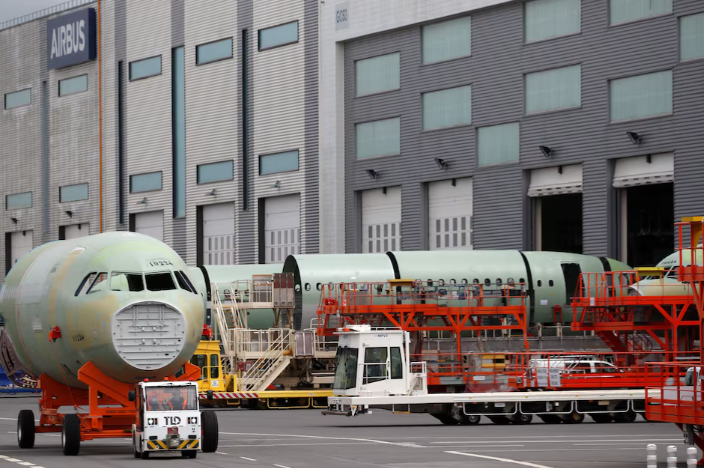
The A320 family, launched in 1984 as the first commercial aircraft with fly-by-wire controls, remains the backbone of short- and medium-haul operations for hundreds of airlines across North America, Europe, Asia, and Latin America.