Sustainability drives much of this support, with 44% of respondents citing environmental benefits as a key factor. Gene editing improves crop efficiency, reduces water and fertilizer use, and lowers emissions, fostering sustainable farming practices. Additionally, 50% of respondents emphasized affordability, noting that gene editing can combat rising food costs by reducing crop diseases, stabilizing food supply, and supporting accessible pricing for consumers.
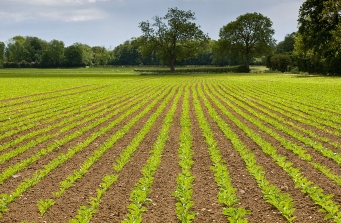
British Sugar is pioneering the sugar industry’s first research and development program focused on gene editing, in collaboration with the John Innes Centre and Tropic Biosciences. This multi-million-pound initiative, supported by £660,000 in government funding, aims to strengthen the UK’s sugar beet crops, ensuring food security and preserving local farming traditions.
Gene editing offers global potential to advance sustainable agriculture while safeguarding farmers. Unlike genetic modification, it does not introduce foreign genes, making it a safe and scientifically supported method to enhance crop resilience and reduce pesticide use.
Dan Green, Agriculture Director at British Sugar, stated: “The critical importance of access to food that is nutritious, affordable and available is an issue that affects us all. We are encouraged to see that consumers are embracing the potential of technology and innovation, and their role in farming and food for the future. Farming has always had to evolve to meet changing climates, ecosystems and public expectations, and gene editing is the next evolution for the future. It will help British farmers tackle the impact of climate change by creating stronger, disease-resistant crops, reducing the use of pesticides, improving yields and ensuring greater security for farmers and consumers alike. This is the critical next step for the UK as a world leader in agricultural research development, technology and innovation and follows a long heritage of breakthroughs that have helped protect our crops, keep food prices fair, and secure British farming for the future.”
Professor Steven Penfield, Building Robustness in Crops Programme Leader at the John Innes Centre, added: “The resilience of the UK’s food supply depends on our farmers and growers being able to sustainably and reliably grow their crops. Gene editing unlocks agricultural innovation, accelerating the development of new crop varieties with higher yields and enhanced pest and disease resistance, also enabling farmers to reduce the environmental impact of their agricultural practices.”
Despite its benefits, some misconceptions persist, with 38% citing ethical concerns and 34% raising health-related issues. However, gene editing is a precise, safe innovation that strengthens crops without altering their genetic makeup, ensuring a robust food supply for the future.