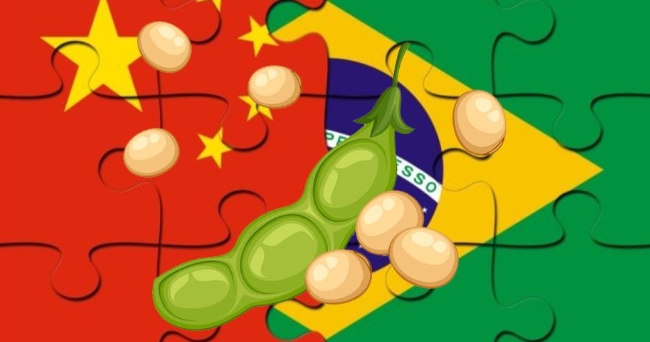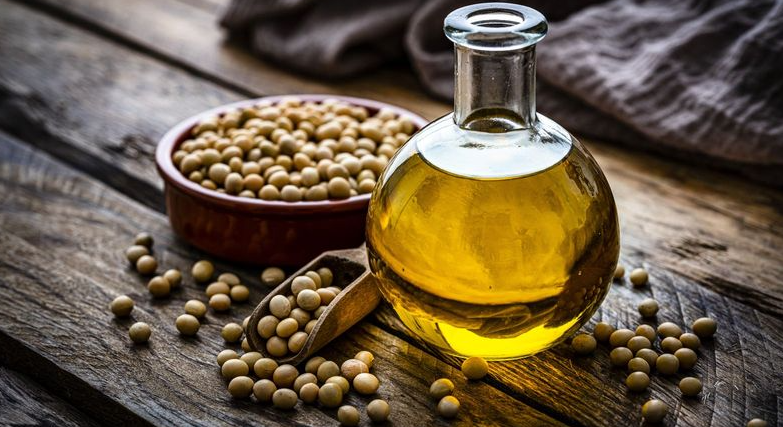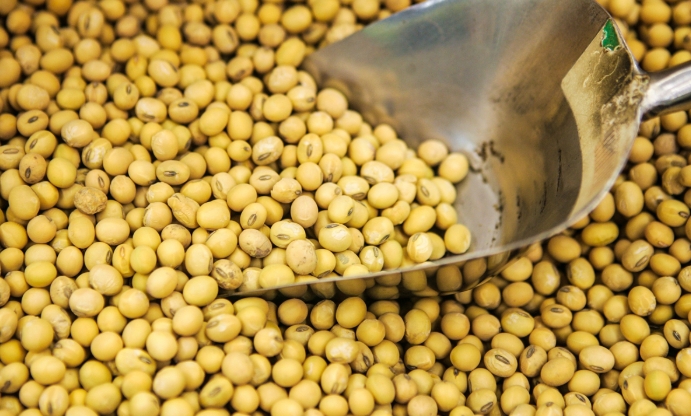
This surge in Brazilian soybean shipments reflects the ongoing impact of the tariff confrontations initiated by the United States, which have started to affect American agricultural exports. A Chinese expert noted that these events show how the US tariff measures harm key industries in the US, particularly soybeans and pork, and illustrate that many products previously imported from the US can be substituted by suppliers from other countries.
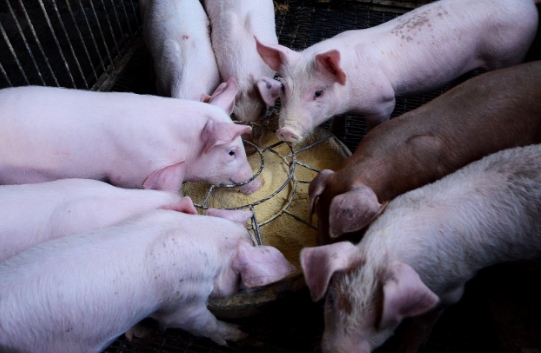
Data from the US Department of Agriculture (USDA) reveals a sharp decline in exports of US agricultural products such as soybeans and pork. For the week of April 11-17, 2025, net sales of US soybeans dropped by 50%, while net pork sales plummeted by 72%. This is the first full week of data following the escalation of tariffs, and China reduced its purchases of US soybeans and pork significantly. During that period, China only bought 1,800 tons of soybeans, a sharp decline from the 72,800 tons purchased during the previous week.
The USDA also reported a 12,000-ton reduction in the quantity of pork China had previously planned to buy from the US, leaving the total for that week at only 5,800 tons— the lowest recorded so far in 2025 and a 72% drop from the prior week.
Li Yong, a senior research fellow at the China Association of International Trade, commented that the US agricultural sector is already experiencing negative consequences from the tariffs, as Chinese demand for products like soybeans and pork has been crucial. He emphasized that China's large market and purchasing power mean that the tariffs are disrupting established trade relationships, forcing US suppliers to lose market share to competitors in other countries.
The United States has implemented several rounds of tariffs on Chinese goods since January 2025, which has triggered retaliatory measures from China. On March 10, China imposed tariffs on a wide range of US agricultural products, including a 15% tariff on chicken, wheat, corn, and cotton, and a 10% tariff on other products like soybeans, pork, beef, seafood, fruits, vegetables, and dairy.
Li Yong predicts that the tariffs will encourage China to further diversify its agricultural imports, which will lead to a continued reduction in the US share of the Chinese market. Brazil has already surpassed the US to become China’s leading supplier of soybeans, and recent data shows that the US share of China’s soybean imports has dropped from 40% in 2016 to just 18% in 2024.
Furthermore, Brazil, Argentina, and Australia have emerged as important alternatives for China in sourcing agricultural products, with their trade policies being more favorable compared to those of the US. Li concluded by urging the US government to reconsider its protectionist stance and remove the tariffs to avoid further harm to its industries.