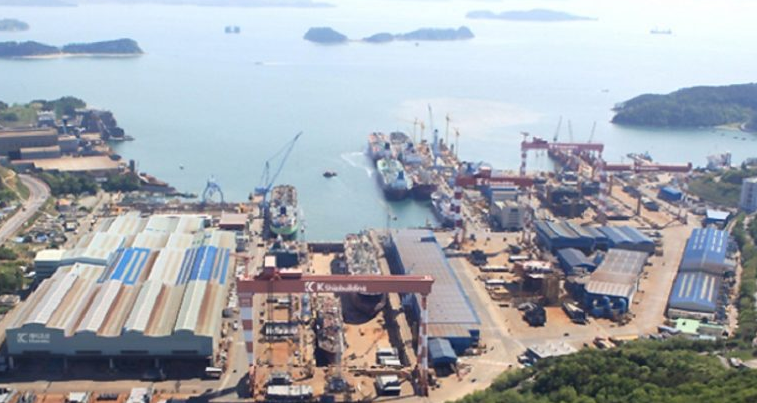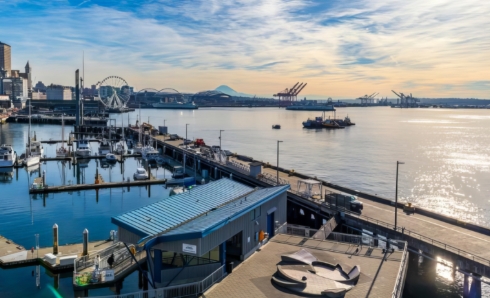
The project involves collaboration between public and private entities from both nations, including the port authorities of Busan and Ulsan, the Korean Register classification society, shipping company HMM, the Northwest Seaport Alliance, and the ports of Seattle and Tacoma. This partnership aims to develop infrastructure and a supply base to promote the use of alternative marine fuels, such as ammonia and green methanol, to reduce carbon emissions.
By 2027, the corridor will feature a green containership route linking the ports of Busan and Ulsan in South Korea with Seattle and Tacoma in the United States. Vessels operating on this route will utilize carbon-free energy sources, contributing to sustainable maritime transport. The initiative reflects a shared commitment to advancing eco-friendly shipping practices and fostering innovation in fuel technologies.
In a related development, South Korea’s government signed a memorandum of understanding with Australia in early 2025 to establish another green shipping corridor by 2029. Both nations agreed to address sustainable shipping challenges through the International Maritime Organization (IMO), promote the adoption of environmentally friendly fuels, and encourage collaboration between relevant organizations to support a low-carbon maritime industry.
Additionally, in April 2024, the North Pacific Green Corridor Consortium (NPGCC) was launched, bringing together maritime stakeholders from Asia, Europe, and North America. The consortium, focused on decarbonizing supply chains between North America and Asia, aims to explore low-carbon fuel markets and propulsion technologies. Members stated: “The NPGCC will serve as a catalyst for maritime decarbonization, demonstrating the potential for carbon reduction to enhance commercial collaboration.”
These efforts highlight a global push toward sustainable shipping, with South Korea playing a key role in fostering international partnerships to reduce the environmental impact of maritime transport. The South Korea-US green shipping corridor is a significant step toward cleaner, more efficient global trade routes.