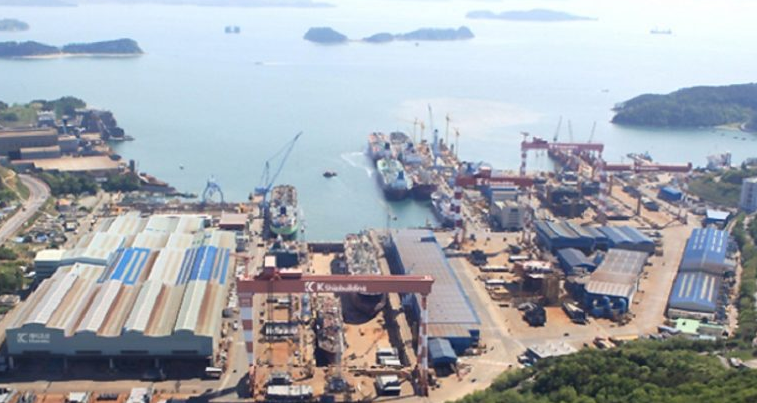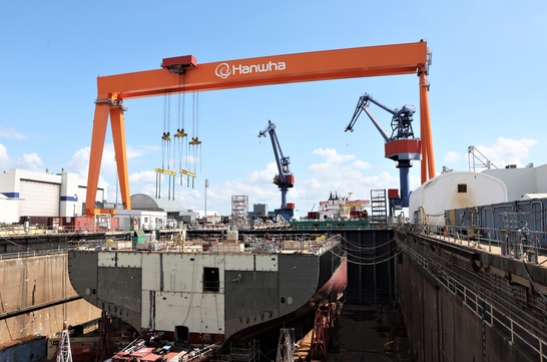
The agreement focuses on strengthening the U.S. shipbuilding sector through the “Make American Shipbuilding Great Again (MASGA)” initiative. This program includes constructing new shipyards, training workers, enhancing supply chains, and supporting maintenance, repair, and operations for U.S. vessels. The investment aims to bolster the American maritime industry while enabling South Korean companies to compete effectively in the U.S. market alongside other major shipbuilding nations like Japan and the European Union.
South Korea’s President Jae Myung Lee commented: “By eliminating uncertainty in the export environment and making US tariffs lower or the same as those of leading competitors that export to the US, we created conditions to compete on equal or better terms.” He further noted: “The USD 350 billion fund included in the trade agreement will firm up the basis for bilateral strategic industrial cooperation and play a role in helping Korean companies actively enter the US market in sectors Korea is strong in, such as shipbuilding, semiconductors, secondary batteries, bio and energy.”
The trade deal follows discussions initiated two months earlier between South Korean shipbuilding representatives and the United States Trade Representative, marking a significant step in bilateral cooperation. South Korea, a global leader in shipbuilding, aims to leverage its expertise to support U.S. maritime infrastructure development. The agreement also includes South Korea’s commitment to purchase $100 billion in U.S. liquefied natural gas and other energy products, further strengthening economic ties.
This partnership comes shortly after a similar U.S.-Japan trade agreement, where Japan pledged $550 billion to support U.S. industries, including shipbuilding, energy infrastructure, and critical minerals. The South Korea-U.S. deal reflects a shared goal of enhancing industrial capabilities and fostering economic collaboration. By investing in U.S. shipyards and related operations, South Korea aims to contribute to a resilient maritime sector while maintaining competitive access to the U.S. market.
The agreement aligns with broader efforts to address global trade imbalances and support sustainable industrial growth. Through the MASGA initiative, both nations seek to advance their economic and technological cooperation, ensuring mutual benefits in the shipbuilding and energy sectors.