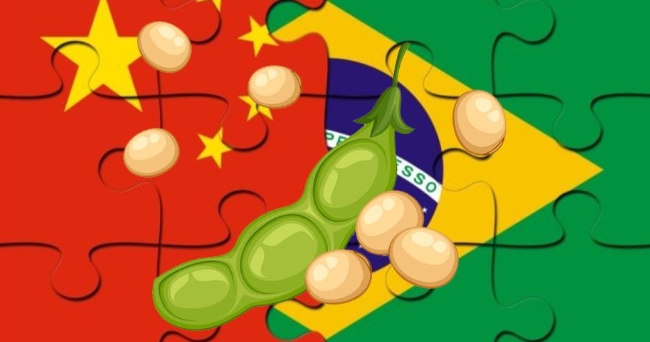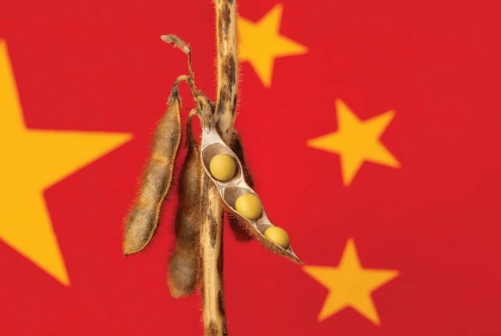
According to data from China’s customs, soybean imports in March and April totaled 9.6 million tonnes, marking a 32% decline compared to the same period last year. This represents the lowest import volume for these months since 2013. As a result, total imports for the first seven months of the 2024/25 season are at their lowest in six years. Despite this, Brazil’s soybean exports to China during February-April are at a record high, increasing by about 13% from last year’s record levels. In contrast, shipments from Brazil to China for the period between September and January were down nearly 40% year-on-year.
This discrepancy between China’s customs data and export figures from Brazil has raised questions about the accuracy of the trade data. The U.S. Department of Agriculture (USDA) even stopped using these trade figures for their estimates last year, given the inconsistencies. Analysts are now advising close monitoring of China’s monthly customs data to ensure that Brazil’s record-high shipments are properly reflected.
For the months of May and June, analysts project China’s soybean imports to reach about 11 million tonnes, which would set a new record for this period, though it would still be near six-year lows. This suggests a somewhat surprising trend, especially considering that China accounts for more than 70% of Brazil’s soybean exports, which are expected to hit all-time highs this year.
Despite the apparent disconnect between China’s import data and Brazil’s export performance, there is potential for Brazil’s exports to exceed China’s initial projections, particularly given the likelihood that high export levels could continue for an extended period. This week, China revised its 2024/25 soybean import forecast to 98.6 million tonnes, up from the previous estimate of 94.6 million tonnes. Meanwhile, the USDA's estimate for China’s soybean imports in 2024/25 stands at 108 million tonnes, though this represents a decrease from the 112 million tonnes imported in the previous year.
Overall, while China’s soybean imports have fallen, the strong performance of Brazilian exports suggests that the market dynamics are more complex than they appear, with potential for significant fluctuations in future trade patterns.