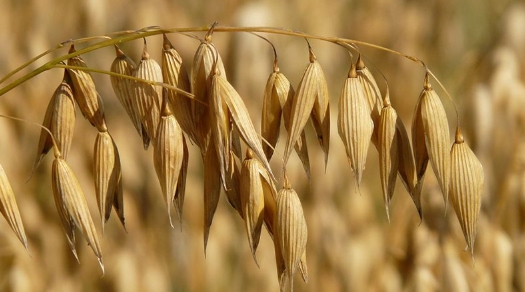
The modifications focus on optimizing ripening time and increasing beta-glucan content, a dietary fiber linked to health benefits. Professor Yaswinder Singh explained that modern genome editing allows for precise, targeted changes that would have taken much longer through conventional breeding. The use of CRISPR avoids the introduction of external genetic material, making the final crop potentially more acceptable to consumers concerned about genetically modified organisms (GMOs).
According to the research team, the goal is to produce oat varieties that flower and mature earlier. This is especially valuable in regions with short growing seasons or unpredictable climatic conditions. Mehtab Singh noted: “Developing oats that mature earlier or are more cold-tolerant is our contribution to sustainable grain production in regions with short seasons or unpredictable weather.”
CRISPR-Cas9 technology has been recognized since the early 2010s, but its application in agriculture has taken time to gain regulatory approval. In 2024, the Canadian Food Inspection Agency (CFIA) approved the use of genetically edited crops in animal feed, marking a significant step forward. These updated regulations now enable the development of crops that are more resistant to drought, pests, and diseases, and can utilize resources more efficiently.
Internationally, support for genome editing is also expanding. Between 2024 and 2025, countries including Japan, the United States, Argentina, Australia, and Canada have officially approved CRISPR-edited products. Additionally, in May 2025, India introduced two genetically edited rice varieties, further signaling a global trend toward broader acceptance of such innovations.
The oats under development in Canada aim to contribute to sustainable agriculture by increasing yields and resilience without introducing foreign genes. This positions genome editing as a promising tool for modern crop improvement that aligns with both environmental goals and market expectations.
With these advancements, Canada continues to play a role in shaping the future of crop breeding technologies, focusing on sustainability, precision, and public acceptance. As regulations evolve and technological capacities grow, genetically edited crops like these oats may become a core component of global agricultural strategies.