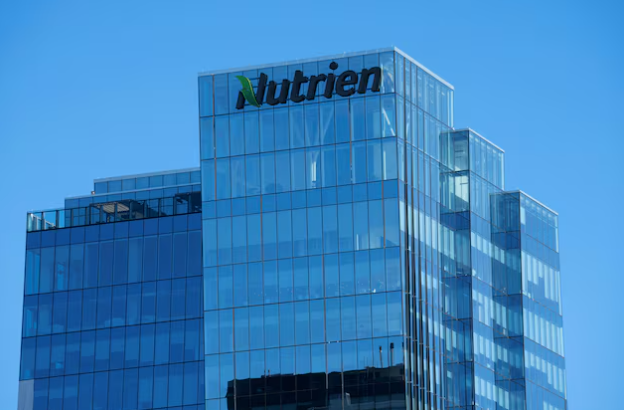
The head office of Nutrien, a leading global provider of crop inputs and services in downtown Saskatoon, Saskatchewan, Canada April 20, 2025.
During a third-quarter conference call with analysts, Nutrien CEO Ken Seitz said the company plans to make a decision in 2026 on the future of its phosphate operations, which currently contribute about 6% of its total earnings. The company is considering several options for the phosphate business, including revising and reconfiguring operations, forming partnerships, or selling assets.
Seitz noted: “The timing is good for that.” He explained that phosphate prices remain high in North America, while the United States is exploring the possibility of classifying phosphate as a strategic mineral, contributing to a favorable price outlook. He added: “It’s a supply story,” highlighting that global phosphate market conditions are supportive of future strategic decisions.
Global potash demand is expected to grow for the fourth consecutive year, driven by large 2025 harvests that have reduced soil nutrient levels and created the need for replenishment. Nutrien forecasts that global potash shipments will reach between 74 million and 77 million metric tons in 2026, compared with an estimated 73 million to 75 million metric tons in 2025. The company cited lower supplies in certain markets, including China, as one of the factors supporting international demand growth.
In addition to developments in the potash and phosphate segments, Nutrien is addressing challenges in its nitrogen fertilizer operations. The company recently shut down a nitrogen plant in Trinidad in October, citing long-standing issues related to port access and affordable natural gas supply. Nutrien said the facility accounts for only a minor portion of its earnings and that the production loss is being offset by output from other sites.
The company also expects to generate about C$900 million from the ongoing sale of non-core assets in South America, part of its broader effort to streamline operations and strengthen its balance sheet.
Seitz emphasized that the divestiture of non-core assets and the exploration of “strategic alternatives” for the phosphate division align with Nutrien’s goal of enhancing profitability and focusing on its core fertilizer businesses.
Overall, Nutrien remains optimistic about the medium-term outlook for the fertilizer market, supported by sustained agricultural demand, constrained global supply, and favorable pricing trends. The company’s strategic review and operational adjustments reflect its continued focus on improving efficiency, optimizing its asset portfolio, and positioning itself for future growth in the global agricultural sector.