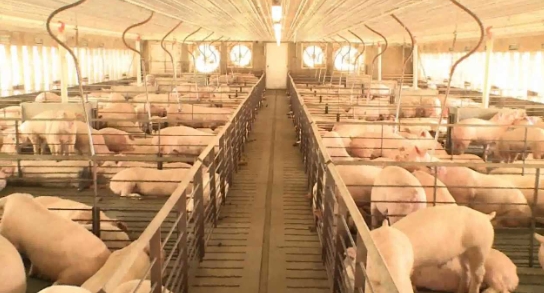
In Quebec, du Breton, a prominent pork producer and processor known for organic, gestation crate-free, and antibiotic-free pork, has raised concerns about a plan by the Éleveurs de porcs du Québec (EPQ). The plan reduces reference volumes based on surplus production, potentially cutting incomes for du Breton’s partner-producers by up to 40% for animals exceeding historical levels. While organic and welfare-certified productions are exempt, du Breton seeks an exemption for gestation crate-free production as well.
Vincent Breton, President of du Breton, stated: “This plan in no way reflects current market realities. Our producers are threatened while demand for their type of production is growing. This is a blatant demonstration that the EPQ union does not adequately represent the interests of duBreton or its partner breeders. They are even hindering the development of the Quebec pork industry at a time when it needs support, not unnecessary obstacles.” Breton and others are advocating for a referendum to address these concerns.
The Union des producteurs agricoles (UPA) in Quebec reports a 30% decline in pork production in the Charlevoix region over the past three years, with six farms closing since 2020. The UPA attributes this to uneven distribution of compensation under the Agricultural Income Stabilization Insurance program and warns that without intervention, the decline may persist, further impacting local economies.
Nationally, Canadian pork exporters face challenges due to tariffs imposed by China in March 2025, including 25% on pork and seafood and 100% on canola products. These tariffs affect Canada’s pork trade, limiting market access and impacting producers’ revenues.
These combined challenges highlight the need for balanced policies to support Quebec’s pork industry and maintain Canada’s competitiveness in global markets while addressing local economic and consumer demands for specialized pork products.