The ministry stated that this move aims to strengthen the foundation of the country's grain production and improve crop resilience. By promoting the cultivation of these improved varieties, the initiative is expected to contribute to stable agricultural output and improved resource efficiency.
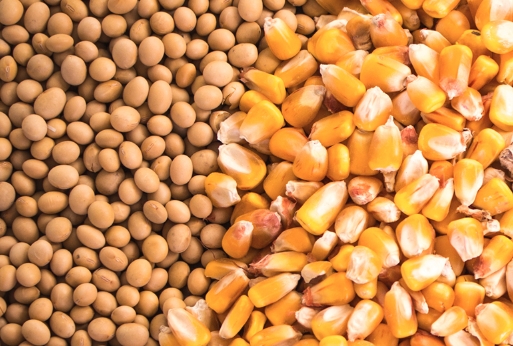
To support this goal, the ministry plans to optimize the protocols used for variety trials. In particular, it will gradually increase planting densities for soybean and corn trials. These adjustments are intended to better simulate real-world growing conditions and ensure the practical value of newly developed crops.
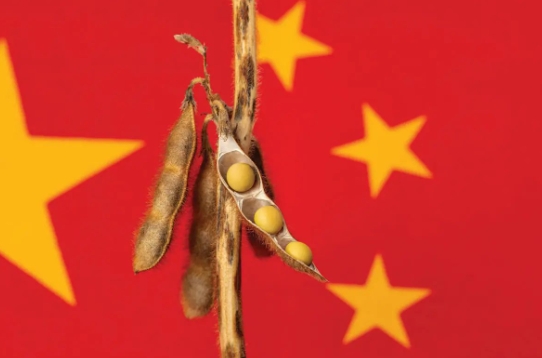
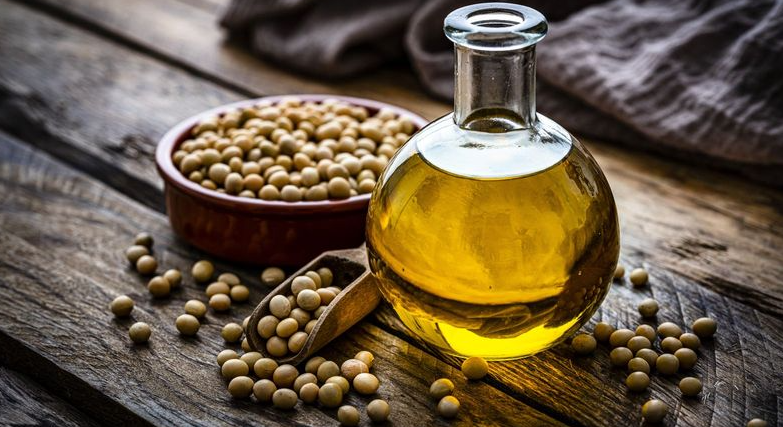
The strategy aligns with ongoing efforts to improve the performance of major food crops and adapt to evolving agricultural demands. Enhanced crop traits, such as greater oil content in soybeans and improved resistance to diseases in corn and wheat, are expected to benefit both productivity and sustainability.
This initiative is part of a continued emphasis on innovation in crop science and breeding. The agriculture ministry highlighted that accelerating the development and deployment of high-performance crop varieties is essential to maintaining long-term food supply and supporting national agricultural goals.
By improving trial methods and advancing new crop technologies, the project aims to ensure that the most suitable and reliable varieties are adopted on a larger scale. The ministry emphasized that these improvements will help meet the challenges posed by changing environmental conditions, limited arable land, and increasing demand for agricultural products.
No specific timeline was given for the rollout of these new crop varieties, but the ministry confirmed that related work has already begun and will proceed in stages. Additional guidelines on planting techniques and support measures may be released as the initiative progresses.