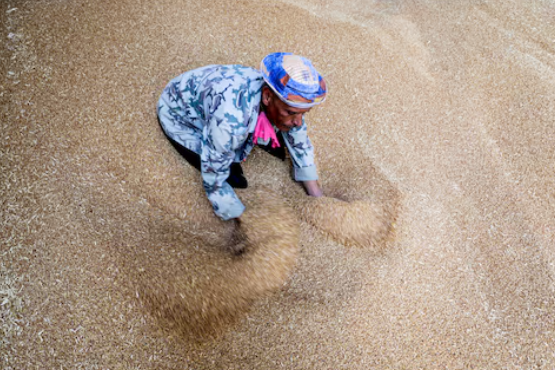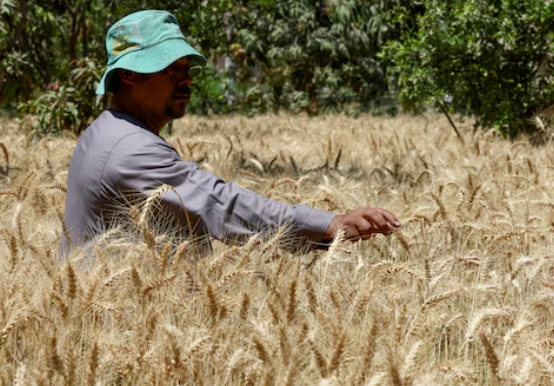
A farmer tends wheat at a field in Giza, Egypt, April 18, 2025.
The Egyptian government aimed to procure between 4 and 5 million metric tons of wheat from an estimated total harvest of 10 million tons. The collection period, which began in mid-April and is scheduled to continue until mid-August, has so far yielded just over 3.9 million tons as of June 28, 2025, according to a separate official document. This shortfall has prompted the gradual closure of some collection points across the country due to reduced deliveries from farmers.
The supply ministry document noted: “Centres that remain open will also be closed if they don’t receive wheat for 3-5 consecutive days.” This measure reflects the lower-than-expected volumes at several facilities, signaling the harvest’s earlier-than-anticipated conclusion in some regions.
Egypt, one of the world’s top wheat importers, typically supplements its local harvest with around 5 million tons of imported wheat each year to maintain strategic reserves and sustain its bread subsidy system. However, officials reported last week that wheat imports in the first half of 2025 have been lower than the previous year’s levels, adding pressure to the country’s supply chain.
Despite these challenges, Egypt maintains sufficient strategic reserves of wheat and other commodities to last over six months, according to Prime Minister Mostafa Madbouly, who made the statement earlier in June 2025. The reserves are critical for ensuring the stability of the subsidized bread program, a cornerstone of Egypt’s food security efforts.
The early closure of collection centers and the shortfall in local wheat procurement highlight the complexities of balancing domestic production with import needs. Egypt’s government continues to navigate economic constraints while striving to secure affordable wheat supplies for its population. The supply ministry has not yet provided further comments on the situation, as reported by Reuters.
As the harvest season progresses, Egypt is focused on optimizing its wheat collection and import strategies to support its food security objectives. The government’s efforts aim to ensure a steady supply for the subsidized bread program, which remains vital for millions of citizens.