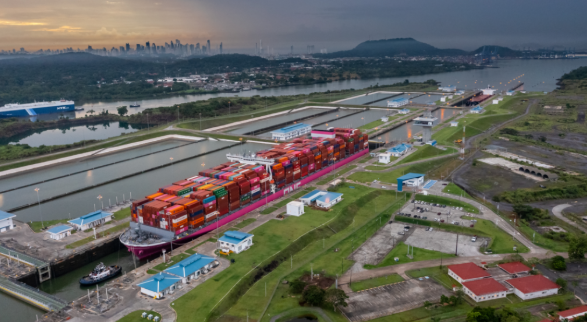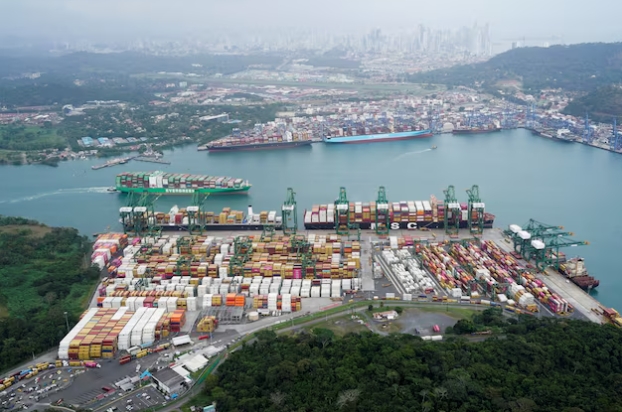
Over the past 25 years under Panamanian management, the canal has significantly enhanced its infrastructure. Ricaurte Vásquez Morales, Canal Administrator, stated: “In 25 years under Panamanian administration, the canal has doubled its capacity, expanded its locks, and strengthened its security. It has grown from being a strategic passage to a model of efficiency, transparency, and technical commitment. Every dollar generated is reinvested to ensure this artery continues to beat in service to the world while any surplus is contributed towards Panama’s social development.”
The Panama Canal Authority (ACP) is advancing a sustainability strategy targeting carbon neutrality by 2050, in alignment with International Maritime Organization goals. Key efforts include reducing emissions and acquiring ten hybrid-propulsion tugboats. On August 15, the ACP christened the first two, Isla Barro Colorado and Isla Bastimentos, designed to lower emissions, boost energy efficiency, and reduce underwater noise. Earlier this year, the ACP introduced an initiative prioritizing vessels using low-carbon fuels and energy-efficient technologies, reinforcing its environmental commitment.
The canal’s sustainable watershed management supports thousands through programs like land titling, reforestation, agribusiness, and environmental education. A notable project under development is a new lake in the Río Indio watershed, aimed at improving water security for over two million Panamanians while enhancing local communities’ quality of life and environmental conservation.
The Panama Canal is also pursuing four strategic initiatives to drive regional development: an energy corridor, new port terminals, a logistics corridor, and water system enhancements. These projects aim to foster innovation, create long-term value, and strengthen Panama’s role as a global trade hub, ensuring continued economic and environmental benefits for the region and beyond.