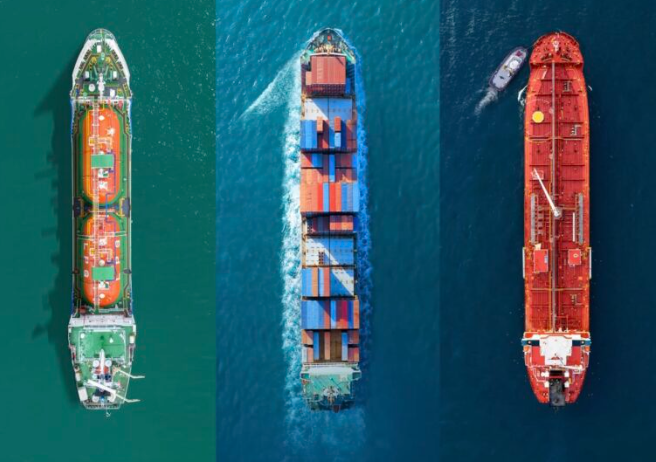
From that date, one weekly slot will be reserved exclusively for vessels meeting low-emission criteria. During the initial phase, eligible ships must be registered as dual-fuel and capable of operating on at least one fuel with a carbon intensity factor equal to, or below, 75 gCO?e/MJ. Accepted fuels include green methanol, green ammonia, bio-LNG, and bio-LPG. Although immediate use of these fuels will not be mandatory, the ACP noted that recognition will be given to vessels with the capability to operate on them once supply becomes available.
Instead of auctioning, vessels will compete weekly for the slot based on a prioritization system. Cargo condition will be a primary factor, with preference given to loaded vessels. PCUMS (Panama Canal Universal Measurement System) capacity will also weigh heavily, with higher tonnage receiving greater priority. In cases of ties, economic contribution will be considered, measured through tolls, maritime services, and fees paid from prior transits.
Ilya Espino de Marotta, Deputy Administrator and Chief Sustainability Officer, said: “The NetZero Slot is an unequivocal signal of our commitment to sustainability and the competitiveness of global trade. Through this initiative, we aim to support our customers in the transition toward a low-emissions future.”
At the same time, Panama is advancing the development of a national maritime decarbonization plan, reinforcing its alignment with standards set by the International Maritime Organization (IMO). The effort involves coordination with international partners and local industry stakeholders.
Alexander De Gracia, Acting Administrator of the Panama Maritime Authority (MPA), explained: “In the next five months, we expect to have a draft action plan ready so we can begin execution as soon as possible. But we need the collaboration of many players across the industry.” He made these remarks during a meeting with the European Union–appointed consultant providing technical support for the initiative.
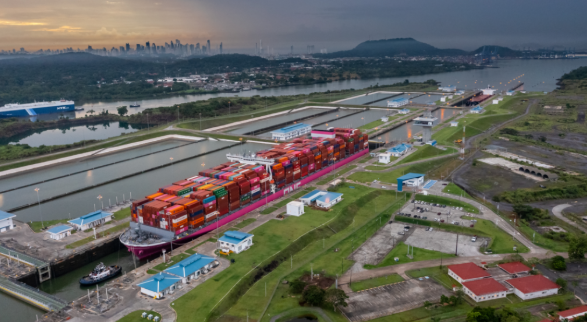
The NetZero Slot represents a new step in combining environmental responsibility with operational efficiency at one of the world’s busiest maritime routes. By reserving space for low-emission vessels and recognizing investment in future-ready technologies, the ACP aims to balance the demands of global trade with sustainable practices.