Bunge Ltd logo is seen displayed in this illustration taken, April 10, 2023.
Gustavo Idigoras, president of Argentina’s CIARA-CEC grains exporting and crushing chamber, clarified the situation: “It is for commercial reasons related to the importer’s needs to supply consumption in Vietnam.” He noted that the contract allowed for such flexibility in redirecting the shipment. This cargo was initially set to be Argentina’s first soybean meal export to China since Beijing approved such imports in 2019.
Argentina, the world’s leading exporter of soybean meal, shipped 27.2 million tons globally in 2024, generating $10.55 billion in revenue. Vietnam, the largest buyer, accounted for approximately 15% of these exports. While China typically imports soybeans from Argentina for domestic processing, recent market trends show Beijing taking advantage of competitive prices in the South American market. In late July and early August 2025, China purchased 60,000 tons of Argentine soybean meal, signaling growing interest in direct meal imports.
Bunge, a major player in global agricultural trade, did not provide further details on the redirected shipment’s new destination when contacted. The decision reflects the dynamic nature of global agricultural markets, where importers adjust destinations based on demand and contractual options. “This redirection aligns with the importer’s strategy to meet Vietnam’s consumption needs,” an industry analyst commented, emphasizing the adaptability of trade agreements.
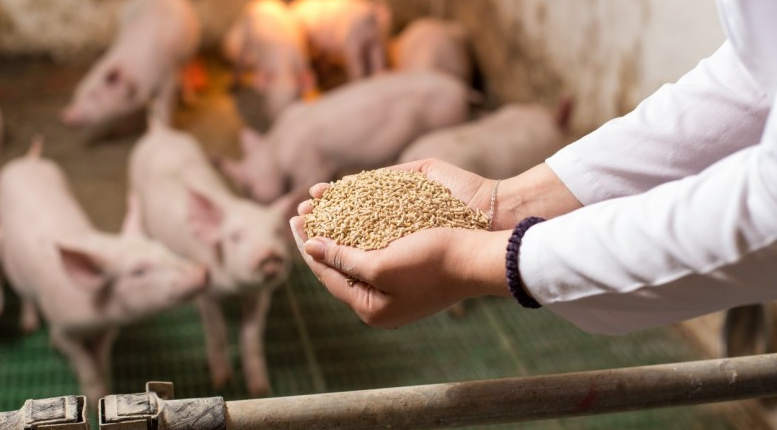
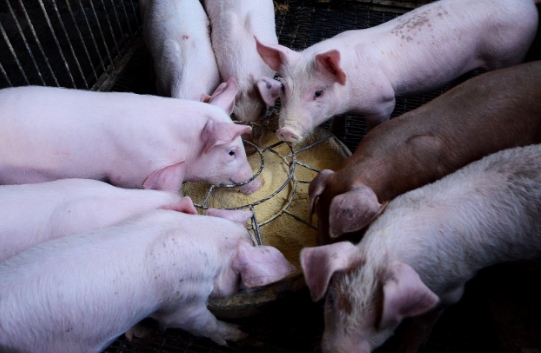
The redirection highlights Argentina’s significant role in the global soybean meal market and its ability to meet diverse international demands. Vietnam’s steady demand for soybean meal, used primarily for animal feed, continues to drive Argentina’s export strategy. Meanwhile, China’s recent purchases indicate a shift toward diversifying its import sources for processed agricultural products.
This development underscores the importance of flexible trade agreements in addressing market needs while maintaining Argentina’s position as a key supplier in the global agricultural supply chain. Industry observers expect continued growth in demand for Argentine soybean meal as countries like Vietnam and China seek reliable, high-quality sources.