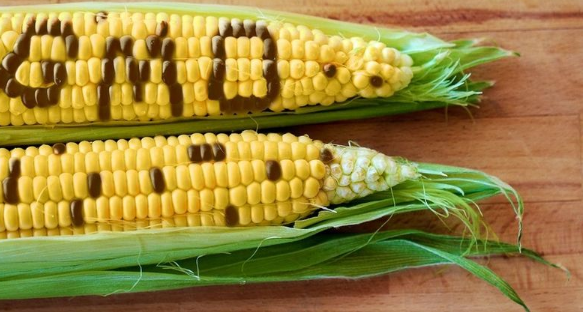
The new regulations enable U.S. producers, who supply over 90% of their corn as genetically modified, to export to Spain while maintaining competitive pricing. The EU continues to prohibit the cultivation of most GM crops within its borders, except for MON810 corn grown in Spain. However, the import approval includes stringent labeling and traceability requirements to ensure transparency and compliance with European standards.
This development introduces competition for non-GM corn from Ukraine, a key supplier to Spain’s market. Ukrainian corn has traditionally met Europe’s quality and safety standards, fulfilling significant demand in the region. The EU’s decision to allow GM corn imports aims to diversify supply sources while addressing the growing needs of Spain’s livestock sector.
An EU spokesperson stated: “The import of these genetically modified corn varieties, backed by rigorous safety assessments, supports the stability of our agricultural supply chains while meeting consumer and industry demands.” The approval reflects a balanced approach, ensuring that imports adhere to strict regulatory oversight to maintain market confidence.
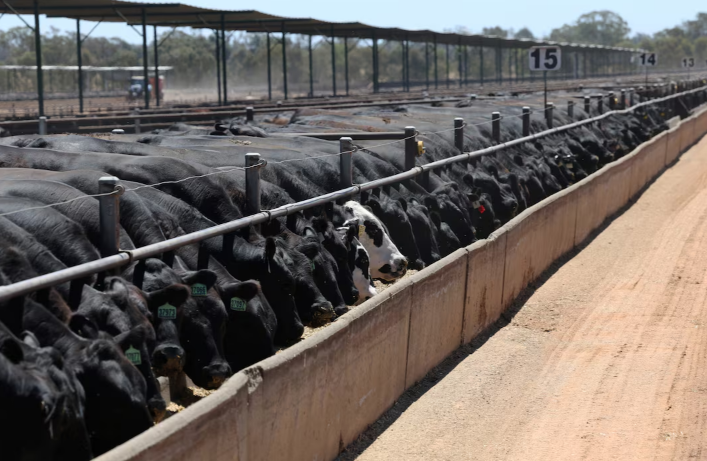
Spain’s reliance on imported corn underscores the importance of this decision for its agricultural sector. The country’s livestock industry, a cornerstone of its economy, benefits from a steady supply of feed grains, and the inclusion of GM varieties from the U.S. enhances supply chain resilience. The EU’s focus on scientific evaluations ensures that these imports meet high safety and environmental standards, aligning with consumer expectations.
The approval of GM corn imports is expected to strengthen trade ties between the U.S. and the EU, particularly benefiting American farmers by expanding market access. For Spain, the decision supports its agricultural needs while fostering competition in the feed grain market. This move highlights the EU’s commitment to balancing innovation, safety, and supply chain efficiency in its agricultural trade policies.