In containerized exports, Indonesia led as the top destination with 38,230 tonnes, followed by Malaysia with 36,199 tonnes and Thailand with 29,967 tonnes. For bulk shipments, Indonesia was again the largest market, receiving 484,618 tonnes, followed by the Philippines with 429,964 tonnes and South Korea with 257,429 tonnes. These figures highlight Australia’s strong trade relationships with key Asian markets.
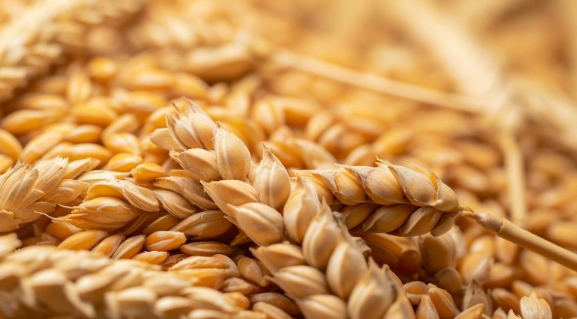
Lachstock Consulting’s Australian Export Vessel Line-ups reports indicate that wheat exports for August and September 2025 were expected to remain robust, with approximately 2.45 million tonnes shipped each month. The firm’s September 4 wheat supply-and-demand report explained the strong export performance in the final quarter of the Australian shipping year, stating, “Old-crop exports have accelerated, with buyers covering nearby demand as Russian delays created a window.” This suggests that global supply dynamics, including delays in Russian exports, have boosted demand for Australian wheat.
The US Department of Agriculture’s September 2025 World Agricultural Supply and Demand Estimates report raised its forecast for Australia’s new-crop wheat production by 3.5 million tonnes, reaching 34.5 million tonnes. This increase reflects favorable conditions in key growing regions, positioning Australia to maintain its role as a major global wheat supplier.
The sustained export volumes underscore Australia’s ability to meet international demand, particularly in Southeast Asia, where wheat is a critical staple for food production. The country’s efficient logistics and high-quality wheat continue to support its competitive position in global markets. These exports contribute significantly to Australia’s agricultural economy, with wheat remaining a cornerstone of its trade portfolio.