“The Chinese government continues to stimulate local production by increasing yields on stable areas and restricting grain imports to protect the interests of local farmers,” FAS notes.
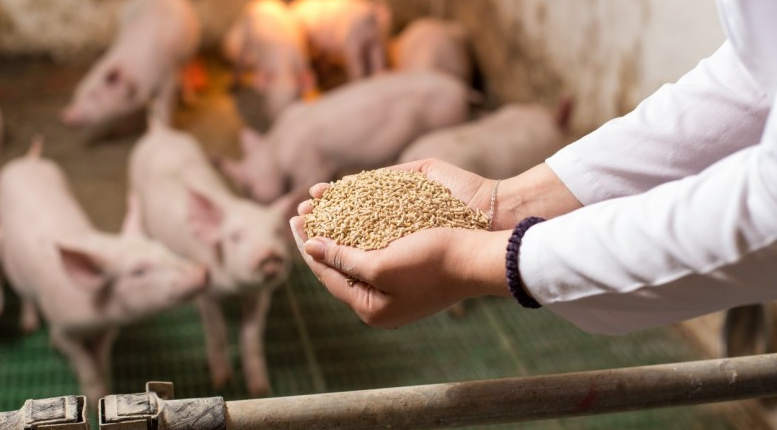
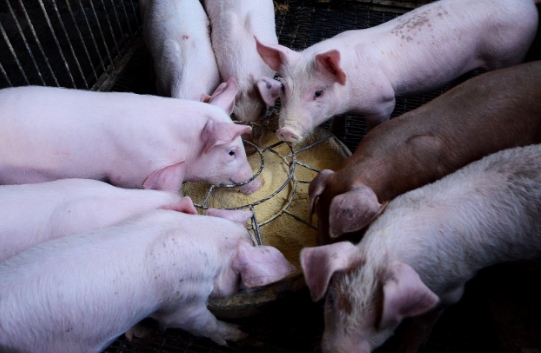
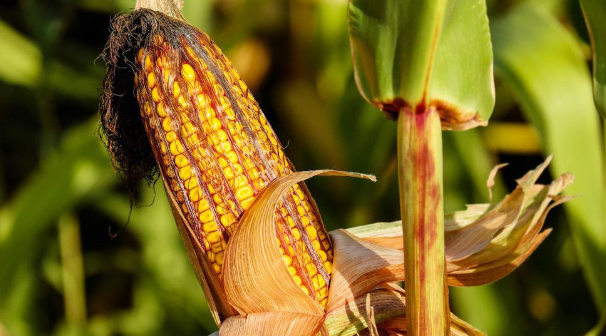
Corn consumption in marketing year (MY) 2025/26 is expected to reach 321 million tonnes, 1% higher than the previous year. Growth is driven by the return of traditional corn levels in feed rations, low prices encouraging industrial processing, and policies limiting substitutes. Corn is mainly used for feed (67%) and industrial processing (26%), with feed consumption projected to grow by about 1%. Feed production in China reached 313 million tonnes in 2024 and is expected to rise to 322 million tonnes in 2025.
The China National Grain and Oilseed Information Center (CNGOIC) reports total corn processing capacity exceeds 130 million tonnes. Deep processing is expanding in northern regions with a 3% increase compared to 2024, though growth in the ethanol sector is slowing. According to the China Starch Industry Association, around 85 million tonnes of corn were used for deep processing in 2024, producing 48 million tonnes of starch and over 20 million tonnes of starch sugar.
Wheat production for 2025/26 is forecast at 140 million tonnes, down 1 million tonnes from the previous report, with 35 million tonnes expected for feed use due to narrowing price gaps with corn. Total area, yield, and production remain stable. Wheat consumption is projected at 152 million tonnes, up 2 million tonnes from 2024/25, with feed use increasing while primary consumption remains steady. FAS noted: “China’s consumption of wheat for food purposes is slowing due to an aging and shrinking population, as well as changes in diets, which are limiting flour use and putting small-scale mills at risk.”
Paddy rice production in 2025/26 is forecast at 208 million tonnes, up 1 million tonnes from last year, supported by stable acreage and improved yields. Rice consumption is expected at 147 million tonnes, up 2 million tonnes, including older stocks used for feed and industrial purposes.
Overall, China’s grain outlook for 2025/26 shows rising domestic production, modest consumption growth, and reduced imports, reflecting government policies to stabilize production, support local farmers, and ensure feed and industrial grain supply.