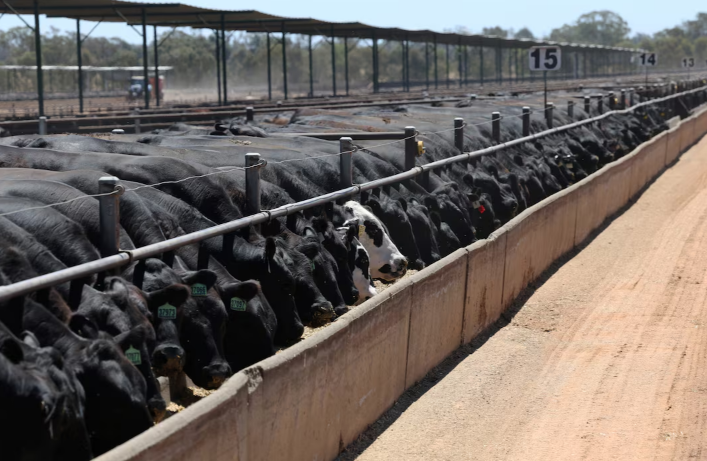
The quota expansion comes amid a U.S. cattle shortage, with the national herd at its lowest in 75 years. Despite this, U.S. beef demand has grown 9% over the past decade, prompting higher imports to stabilize the market and contain price increases. For Argentina, the agreement signals international confidence in its meat industry and provides incentives to promote local products globally.
Economic benefits for Argentine exporters are significant due to tariff differences. Beef sold within the quota faces a 10% tariff, compared to 36.4% for shipments beyond it, generating an estimated additional $300 million in revenue. Analysts note that domestic consumption and overall production volumes will be minimally affected, as most of the additional exports will redirect existing export flows rather than reduce local supply.
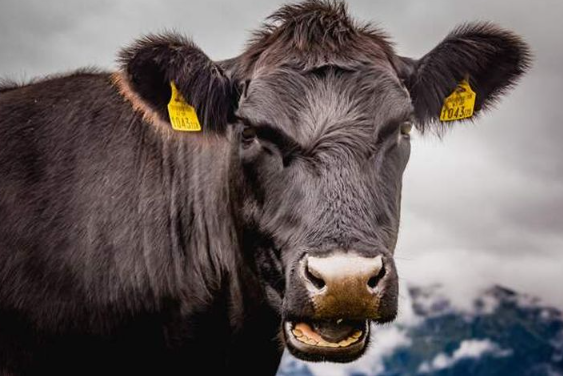
The main challenge to fully utilizing the new quota is the limited cattle supply. Experts highlight that increasing production requires both herd expansion and higher productivity per animal. Currently, Argentina produces about 400 kg of beef per cow, while countries with similar livestock systems achieve around 600 kg per animal. Improving efficiency and yield per cow will be essential to meet export targets.
Experts emphasize that the success of the expanded exports depends on coordinated efforts among producers, meat processing facilities, and certification bodies to maintain quality standards. Ensuring high-quality beef while increasing supply will help Argentina remain competitive in international markets, safeguard domestic prices, and strengthen its position as a reliable source of foreign exchange earnings.
Overall, the agreement represents a significant opportunity for Argentina’s beef sector to enhance its presence in the U.S. market. By increasing herd size, boosting productivity, and maintaining stringent quality controls, the country can capitalize on rising demand, benefit from favorable tariffs, and secure long-term growth for both producers and the national economy.