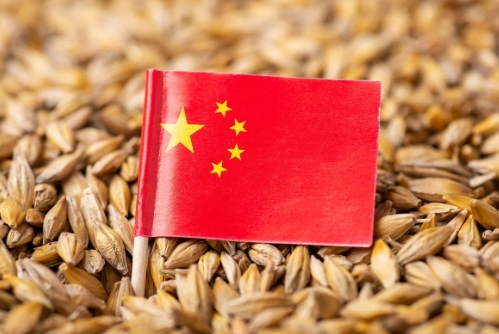
A primary factor is the increased domestic wheat production in countries like China and Pakistan, which reduces their reliance on imports. The USDA’s April forecast estimates China’s wheat imports at 3.5 million tons, down from 6.5 million tons in March and a sharp drop from 13.6 million tons last season. This shift impacts exporters like Australia, for which China is a significant market. The USDA notes that current trade policies and tariffs influence these trends, though specific details are not highlighted.
Other factors also contribute to the global trade slowdown. Turkey, for instance, has imposed import limits due to ample domestic stocks. Additionally, smaller harvests in 2024-25 from major exporters, including Russia, the European Union, and Ukraine, are constraining supply. Russia’s wheat exports are expected to fall to 44 million tons from over 55 million tons last season. The EU’s export forecast was adjusted from 27 million tons in March to 26.5 million tons in April, a 30% decrease from the prior season and the lowest since 2018-19. Ukraine’s exports, however, were revised upward by nearly 500,000 tons to 16 million tons, still below last season’s 18.6 million tons.
Despite a slight downward revision, global wheat production for 2024-25 remains at a record high. Ending stocks are projected to rise slightly from 260.1 to 260.7 million tons, though this is the smallest global wheat stock since 2015-16. “The balance of production and trade dynamics will shape market availability this season,” said a USDA analyst.
Beyond wheat, the trade in other grains like corn, barley, and rice is also expected to decline by 7% in 2024-25. Global corn production is forecasted to decrease, particularly in the US, the top exporter. Meanwhile, China’s rising domestic corn output is projected to reduce its imports by 65%, following its position as the second-largest corn importer in 2023-24.
These trends highlight shifting agricultural patterns, with increased self-sufficiency in some regions and constrained export capacities in others, influencing global grain markets in the 2024-25 season.