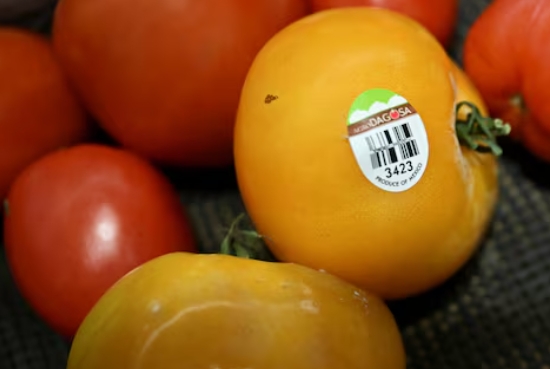
Tomatoes labeled as a product of Mexico at a grocery store in Bethesda, Maryland, U.S., February 1, 2025.
The U.S. Commerce Department explained that the decision follows the withdrawal from the 2019 agreement, originally set in 1996 and renewed six years ago to manage export pricing and avoid trade disputes. The 17.09% duty corresponds to the degree of underpricing of Mexican tomatoes in the U.S. market.
U.S. Commerce Secretary Howard Lutnick stated: "For far too long our farmers have struggled with pricing challenges on produce like tomatoes." The duty aims to support U.S. growers competing with Mexico’s year-round production.
Mexico’s economy and agriculture ministries called the decision "unfair," noting its impact on producers and U.S. industries. They committed to helping Mexican growers negotiate a new agreement and seek alternative markets. Mexican proposals for mutual benefit were not accepted, per their statement.
Agricultural groups from Baja California and Sinaloa vowed to collaborate with the government, stating: "There are no countries in the world that can replace Mexican tomatoes in a market we have built through innovation and effort over the past 120 years."
U.S. consumers may face higher tomato prices. Representative Sylvia Garcia remarked on X on Friday: "Salsa will be pricier, shelves emptier, and groceries more expensive." U.S. growers, supported by the Florida Tomato Exchange, endorsed the decision. Robert Guenther said: "This decision will protect hardworking American tomato growers from unfair Mexican trading practices and send a strong signal that the Trump Administration is committed to ensuring fair markets for American agriculture."
The decision aligns with broader trade talks, including a proposed 30% tariff on Mexican imports from August 1, following stalled negotiations. The 2019 agreement had set pricing and inspection rules, but U.S. growers noted persistent issues with underpriced imports.