Cosenza’s old town
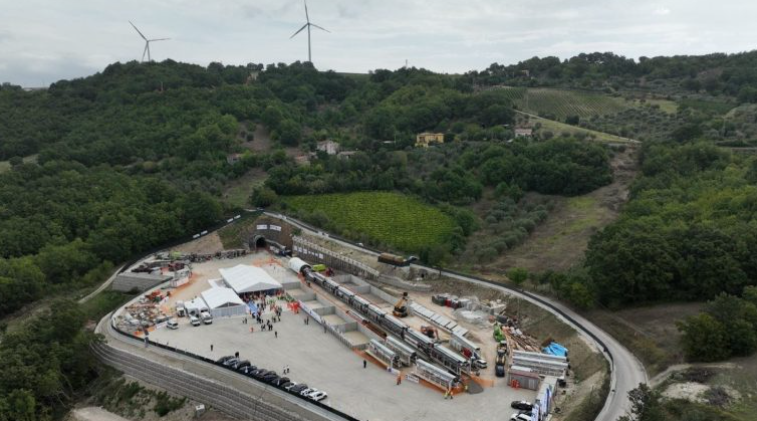
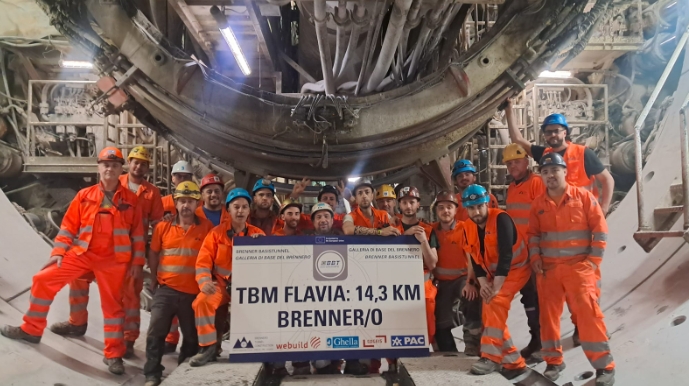
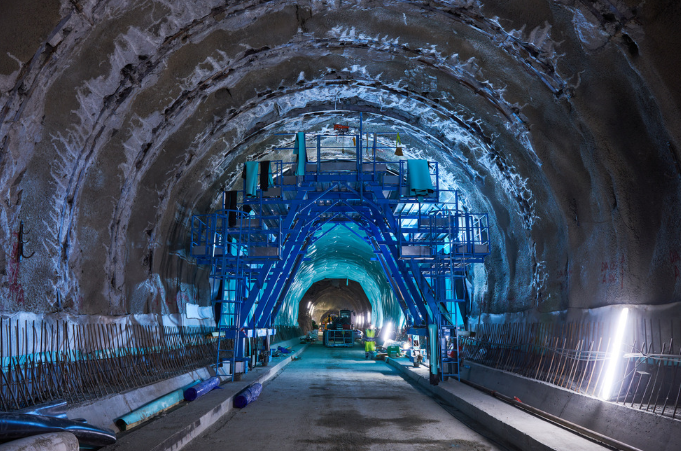
The awarded section lies in the southern half of the route, linking the coastal town of Paola to the inland city of Cosenza. Along the way, the line will traverse municipalities including Paola, San Lucido, Rende, Montalto Uffugo, San Vincenzo la Costa, and San Fili. A major element of the project is the new Santomarco Tunnel, which will extend 15km underground. Four tunnel boring machines will be used for excavation. The tunnel will replace an existing single-track tunnel located 100m away, which will be decommissioned once the new one is complete.
Additional works include nine railway bridges and two viaducts, notably a 350m-long crossing over the A2 motorway. A new station will also be built in Montalto Uffugo to provide direct service to the university campus in Rende, enhancing accessibility for students and staff. Webuild estimates that about 1,500 workers will be employed for this contract, reflecting the project’s scale and significance for regional development.
Beyond this section, Webuild is also responsible for other parts of the high-speed railway. These include the 35km Lot 1A Battipaglia–Romagnano section, which was the first part of the line to enter construction, and the junction with the Potenza–Metaponto section. Collectively, these works demonstrate Webuild’s central role in advancing the Salerno–Reggio Calabria railway.
The overall project is intended to enhance connectivity across southern Italy, linking cities more efficiently and supporting broader European transport integration. The new infrastructure is expected to reduce travel times, strengthen links between inland and coastal areas, and provide an improved passenger experience. Once complete, the upgraded line will play a key role in fostering mobility across regions while contributing to the strategic European corridor that stretches from Scandinavia to the Mediterranean.
The contract award to the Webuild-led consortium underscores the importance of modern, sustainable transport networks in Europe. By replacing outdated infrastructure such as the old single-track tunnel and introducing advanced engineering solutions including large-scale tunneling and viaduct construction, the project aims to set a benchmark for high-speed rail development in Italy.
In addition to transport benefits, the works are expected to deliver economic opportunities through employment and investment in construction activities. The integration of a station designed to serve a major university campus also highlights the attention given to social and community needs within the project’s planning.
When completed, the Salerno–Reggio Calabria high-speed line will form an essential segment of the trans-European rail system, strengthening Italy’s role within the wider network and offering new opportunities for connectivity across the continent.