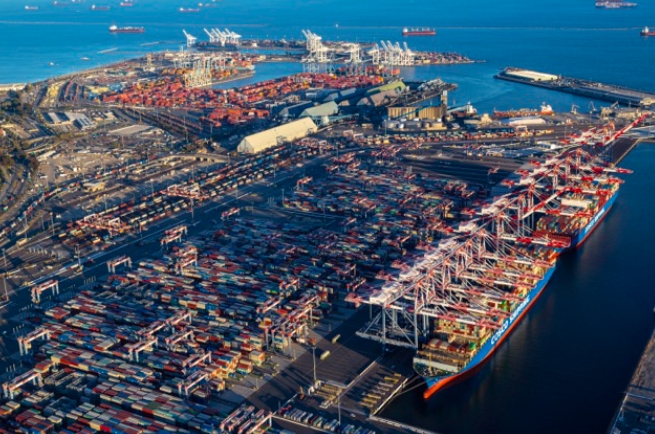
Bonnie Lowenthal, Long Beach Harbor Commission President, stated: “These achievements demonstrate that clean air and cargo growth can go hand in hand, reinforcing the Port’s position as a key driver of the U.S. economy during a time of unprecedented change in the shipping industry.” The port’s sustainability programs have positioned it as one of the world’s most environmentally responsible seaports.
As part of its “20 Years of Leading Green” celebration, POLB released the Green Port Progress Report, detailing its environmental achievements and ongoing efforts toward zero-emissions operations. The report outlines initiatives such as air and water quality improvements, habitat restoration, green construction practices, and clean energy development. It also addresses challenges like technology readiness, regulatory requirements, funding, and energy supply needs.
Rex Richardson, Long Beach Mayor, said: “In collaboration with its neighbors and business partners, the Port of Long Beach is driving innovation toward cleaner operations for a cleaner future. This may not be well known outside of the shipping industry and Southern California, but the Green Port Progress Report will bring more recognition to these successes.”
In 2006, POLB partnered with the Port of Los Angeles to launch the Clean Air Action Plan, targeting emissions reductions from port-related sources, including trucks, forklifts, trains, ships, and tugboats. In 2017, the plan was updated to set zero-emissions goals. Mario Cordero, Port of Long Beach CEO, noted: “Two decades ago, the Port of Long Beach committed to a Green Port, addressing improvements to both water and air quality. Today, these efforts have evolved into zero-emissions goals. Yet it’s undeniable we have made tremendous progress on our Green Port commitment through our air quality, water and habitat restoration programs, green construction practices and clean energy and technology development that the public can learn about in this report.”
Looking ahead, POLB plans to implement charging stations for electric trucks, expand shore power, develop hydrogen fueling facilities, and introduce zero-emissions locomotives. Additionally, the port has allocated $65 million to the Community Grants Program, supporting local projects to enhance environmental health in surrounding communities.
The port’s efforts align with broader sustainability goals, complementing a U.S. government action plan announced in December 2024 to promote a sustainable maritime sector by 2050. These initiatives underscore POLB’s leadership in advancing clean energy and environmental stewardship in the shipping industry.