Speaking at a UBS investor conference, Malave projected that Boeing will transition from an estimated $2 billion cash outflow in 2025 to positive free cash flow next year—the first positive figure since 2023.
"What we expect anyway is in the low single digits in terms of positive free cash flow, which I think is pretty substantial growth year over year," Malave told attendees. He did not provide an exact dollar amount for the 2026 forecast.
The improved outlook rests primarily on higher production and delivery rates for Boeing's key commercial programs.
"Big picture, we expect deliveries both on the 737 and the 787 to grow," Malave added.
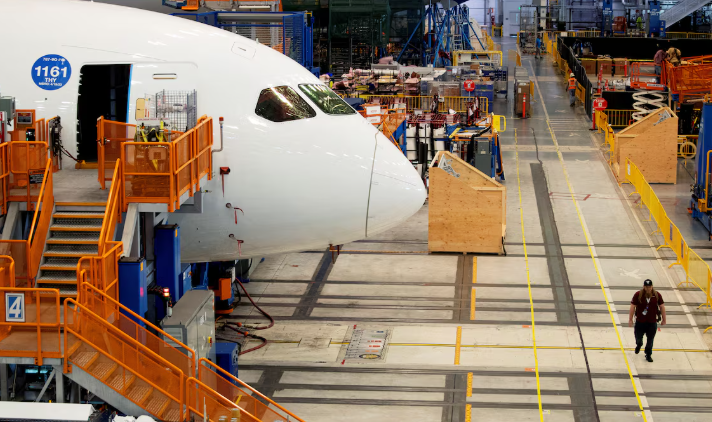
The 737 MAX family remains Boeing's highest-volume narrow-body product, while the 787 Dreamliner continues to see steady demand from airlines worldwide. Both programs have gradually increased output following extended production constraints in recent years.
Under CEO Kelly Ortberg, who took the role earlier this year, Boeing has focused on stabilizing manufacturing processes, strengthening quality controls, and rebuilding customer confidence after a prolonged period of operational and financial challenges.
The return to positive cash flow in 2026 would mark an important milestone for the company as it works to reduce debt accumulated during the crisis and restore consistent profitability.
Investors closely monitor free cash flow because it reflects Boeing's ability to fund operations, invest in new programs, and return value to shareholders without relying heavily on external financing.
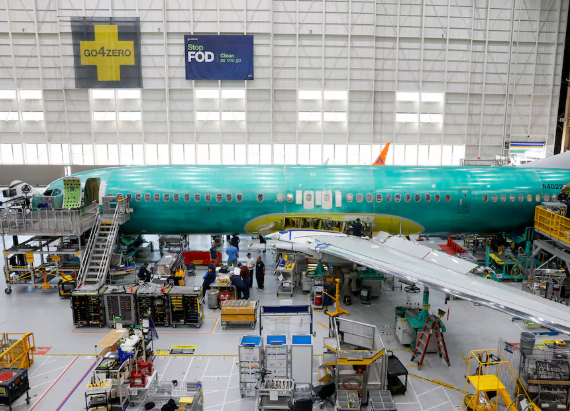
The company continues to execute its multi-year recovery plan, which includes ramping up 737 production toward a target rate of 38 aircraft per month and achieving more predictable 787 output at five to seven aircraft monthly.
Boeing's updated financial guidance signals growing confidence in the stabilization of its commercial airplane division, which accounts for the majority of overall revenue and remains central to the company’s long-term performance.